What is an Ethanol Production Plant and What is Ethanol Used For?
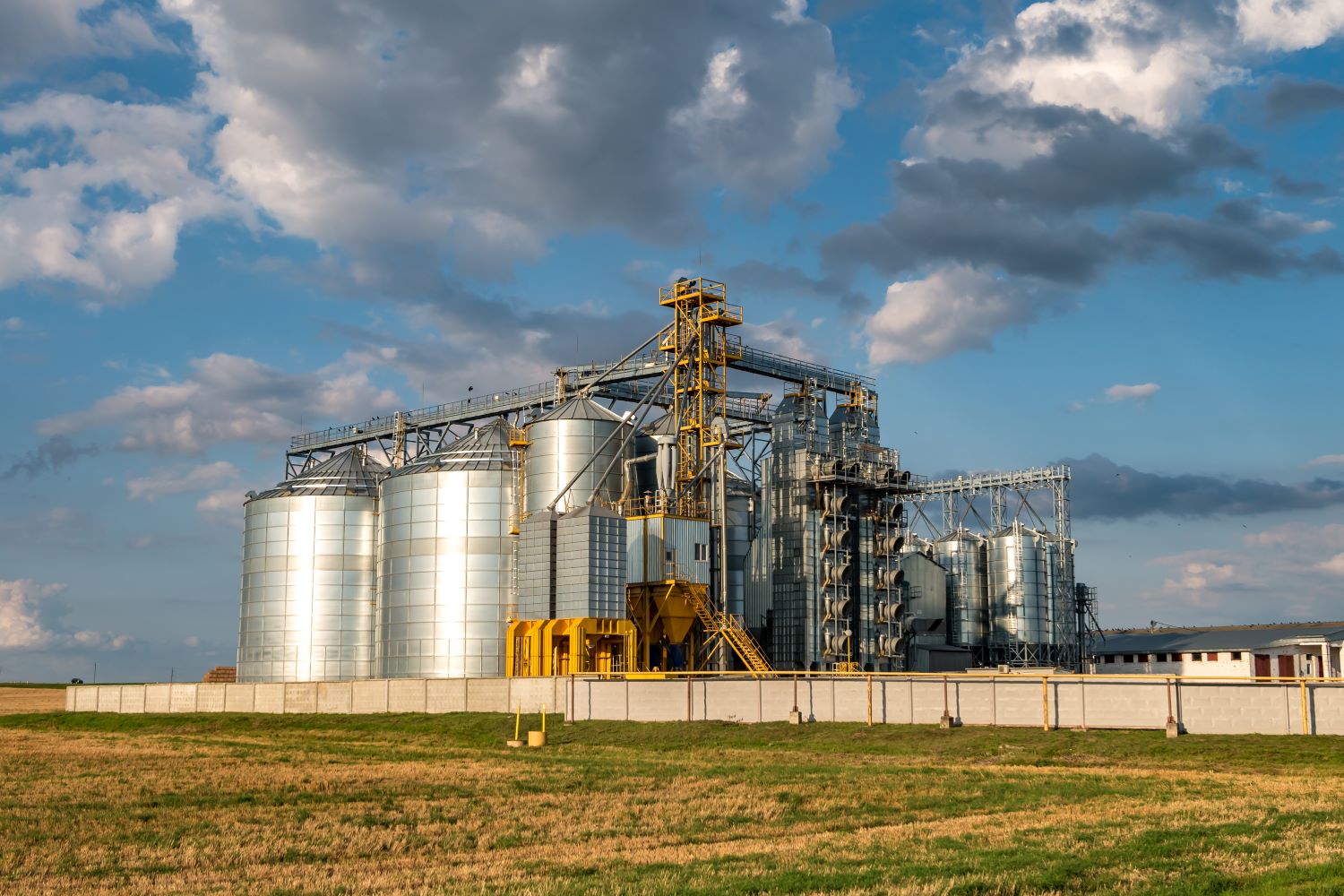
An ethanol production plant is an industrial facility where ethanol, a type of alcohol, is produced on a large scale. Ethanol can be manufactured from various raw materials rich in sugars or materials that can be converted into sugars, such as starches or cellulose. The primary methods involved in ethanol production are fermentation and distillation.
How Ethanol is Produced in an Ethanol Production Plant
- Preparation of Raw Materials
This initial step involves preparing biomass such as sugarcane, corn, or even cellulose from wood or grasses, depending on the chosen process. - Fermentation
For sugar-based materials like sugarcane or sugar beets, sugars are directly fermented with yeast, converting sugars into ethanol and carbon dioxide. Starch-based materials (e.g., corn or wheat) first require the starch to be converted into sugars using enzymes before fermentation. - Distillation
After fermentation, the mixture contains ethanol, water, and other substances. Ethanol is separated from the mixture through distillation. Since ethanol has a lower boiling point than water, it evaporates first and is then condensed back into a liquid form. - Dehydration
The ethanol produced through distillation is about 95-96% pure, with the remainder primarily being water. For fuel-grade ethanol, the residual water is removed, typically using molecular sieves, resulting in anhydrous (water-free) ethanol.
Uses of Ethanol
- Biofuel
The most common use of ethanol is as a vehicle fuel or fuel additive. Ethanol is blended with gasoline to raise octane levels and improve emission quality. Common mixtures include E10 (10% ethanol, 90% gasoline) and E85 (85% ethanol, 15% gasoline) for flexible-fuel vehicles. - Emission Reduction
Ethanol burns cleaner than gasoline, releasing fewer greenhouse gases, making it a more environmentally friendly alternative. - Disinfectant
Ethanol is effective in killing microorganisms like bacteria, fungi, and viruses, which is why it is widely used in hand sanitizers and medical disinfectant wipes. - Personal Care Products
Due to its solvent properties, ethanol is commonly found in personal care items such as perfumes, aftershaves, and colognes. - Alcoholic Beverages
Ethanol, when produced under safe and controlled conditions, is used in alcoholic beverages, being the primary alcohol present in these drinks.
Conclusion
Ethanol production plants play a vital role in providing renewable energy sources that reduce reliance on fossil fuels. The versatility of ethanol in various applications, from fuel to pharmaceuticals, highlights its importance in promoting sustainable and eco-friendly practices globally.